
Croatia Road Trip: From the Plitvice Lakes to Dubrovnik
This post contains affiliate links. If you book through one of them I earn a small commission – at no extra cost to you.
Welcome to the first leg of our summer road trip through the Balkans. This journey took us through some of Croatia’s most beautiful natural and cultural highlights. Let me take you to Plitvice Lakes National Park, Krka National Park and the historic cities of Split, Omiš and Dubrovnik – with all the highlights and insider tips we gathered along the way.
Plitvice Lakes National Park

Getting there
Our trip began after a generous breakfast at the charming Pansion Breza in Plitvica Selo (compare more places to stay near Plitvice). We started at Entrance 2. Book your Plitvice tickets and guided tours in advance – entrances sell out fast in summer. Plitvice is Croatia’s oldest and largest national park and has been a UNESCO World Heritage Site since 1979.
The walk
After a short stroll we took the panoramic train up towards the Upper Lakes, then hiked through lush green landscape. The Upper Lakes are known for their turquoise water and the waterfalls cascading across several levels. The cascades and the clear emerald colour of the water are the real showstoppers.
Boat ride and Lower Lakes
The boat ride across Lake Kozjak was another highlight and a welcome break. Afterwards we continued through the canyon of the Lower Lakes – known for dramatic rock formations and Veliki Slap, the tallest waterfall in the park.
Insider tip
Plan your way back along the eastern side of the canyon and take the panoramic train from there. That way you see the entire lake zone without walking the same stretch twice.


Krka National Park

Getting there and where we stayed
After an unforgettable day at Plitvice we drove on to Krka National Park in Lozovac and stayed at the cosy Guesthouse Villa DomeNico (places to stay near Krka National Park) – a perfect base for exploring.
Exploring the park
Krka is known for its waterfalls and historic sites, with plenty of trails and viewpoints. The Skradinski Buk waterfalls are the highlight – one of the largest travertine formations in Europe. A ticket or boat tour booked ahead is worth it here too.
Insider tip
Take the boat to the lesser-known island of Visovac. It is home to a 15th-century Franciscan monastery and is far quieter than the main falls.


Split

Getting there and where we stayed
From Lozovac we continued to the historic city of Split and stayed at the comfortable Rooms Marinac in Podstrana (compare hotels in Split), a short drive from the centre.
What to see
Split is famous for Diocletian’s Palace, a UNESCO World Heritage Site and one of the best-preserved examples of Roman architecture anywhere. The palace is the heart of the old town and is packed with cafés, restaurants and shops. Walking its narrow lanes feels like stepping back in time.
Insider tip
Marjan Hill offers a spectacular panoramic view over the city and the sea. It is a popular local escape with plenty of trails and quiet spots – perfect for a picnic.


Omiš

Our last stop before Dubrovnik was the coastal town of Omiš, a short drive from Split. Omiš is known for its dramatic cliffs and the Cetina Gorge, ideal for rafting and climbing.
Insider tip
Climb up to Mirabella Fortress. The ascent is short, the view over the town and the Adriatic coast is fantastic – and the story of the Omiš pirates comes free with it.


Dubrovnik

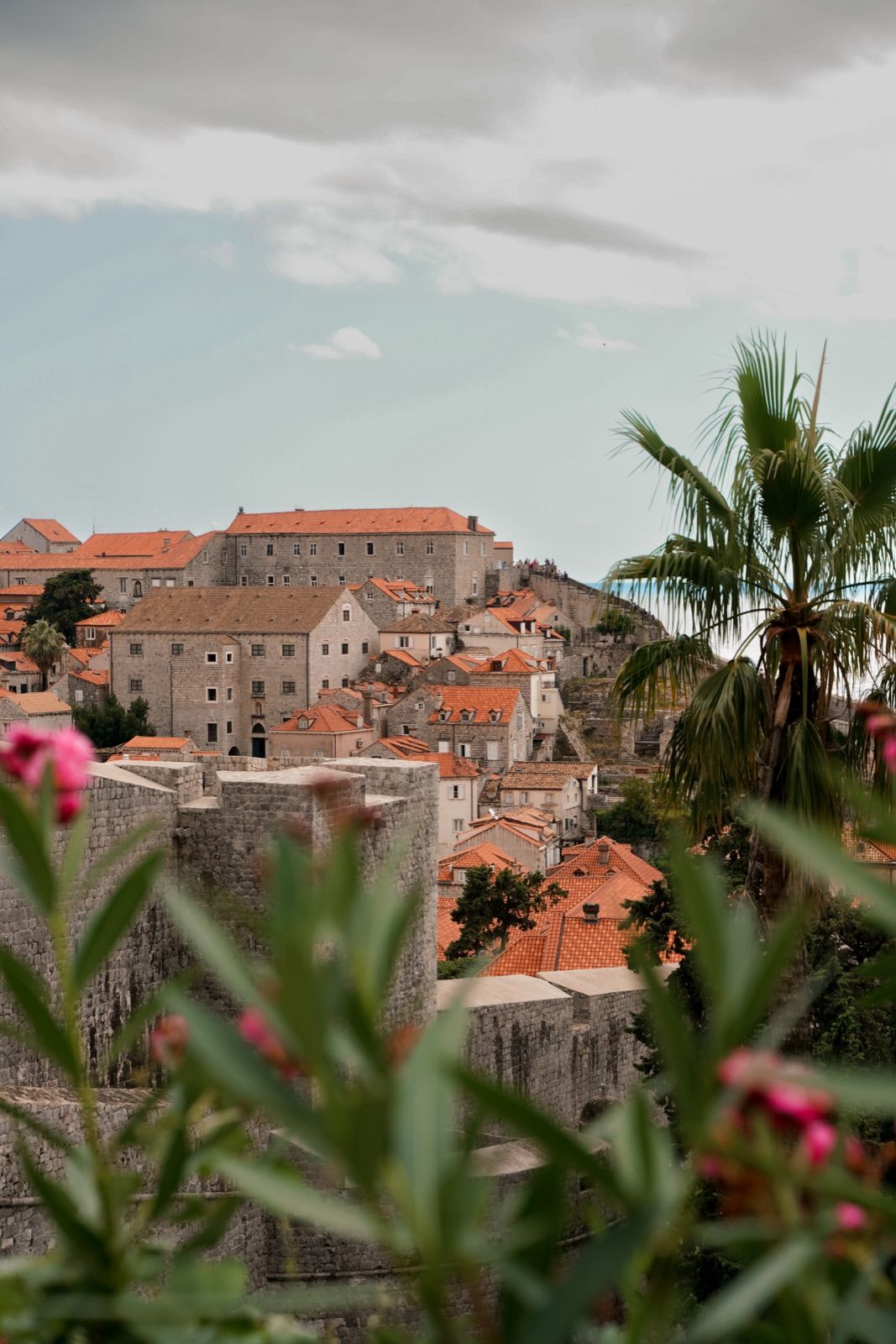
On our way to Montenegro we stopped in Dubrovnik, Croatia’s Pearl of the Adriatic. Walking the city walls gives you spectacular views over the old town and the sea – Dubrovnik tickets and tours are available with timed entry, which saves a lot of queuing in high season.
What to see
The historic old town, also a UNESCO World Heritage Site, is home to the magnificent Sponza Palace, Dubrovnik Cathedral, the Franciscan monastery with one of the oldest pharmacies in Europe, and the lively Stradun, the old town’s main street.
Insider tip
Look for the hidden Buza Bar. You reach it through a small gate in the city wall, and the view over the Adriatic with a drink in hand is priceless.



Final thoughts
The first leg of our Balkan road trip was unforgettable. From the turquoise lakes and dramatic waterfalls of the national parks to the historic treasures of Split, Omiš and Dubrovnik – every stop had its own character.
In the next part we continue to Montenegro, Bosnia and Albania.
Best time for a Croatia road trip
We travelled in high summer, and it comes at a price: crowded national parks, temperatures above 30 degrees and accommodation in Split and Dubrovnik that costs twice as much. If you can choose freely, go in May, June or September.
In spring the waterfalls at Plitvice and Krka carry the most water after the snowmelt, and the landscape is as green as it gets. In September the sea is still warm, the beaches are empty and prices drop noticeably. In July and August you need early starts and tickets booked in advance – otherwise you queue.
Practical tips for the national parks
- Book tickets in advance. Plitvice works with timed entry and the morning slots sell out fast in high season. Plitvice tickets and guided tours come with a fixed entry time.
- Use Entrance 2, not Entrance 1. From there you start at the Upper Lakes and walk with the flow of people instead of against it.
- Arrive early. From around ten in the morning the wooden walkways get crowded, and in places they are barely a metre wide.
- Wear proper shoes. The walkways are wet and slippery. At Krka you also want water shoes if you plan to swim – the bottom is rock and pebble.
- Bring water. There are only a few places to buy anything inside the park, and the circuit takes three to six hours depending on the route.
How much time does Croatia need?
Allow five days for this route: one day at Plitvice, one day for Krka including the drive, two days for Split and Omiš, one day for Dubrovnik. Any less and it gets rushed, because each stop is two to three hours of driving from the next.
With more time, add an island – Hvar and Brač are just over an hour from Split by ferry.
Frequently asked questions about Croatia
Are both Plitvice and Krka worth it?
Yes, but they are different. Plitvice is bigger, greener and more dramatic, but you cannot swim there. At Krka you can – and on a hot day that is exactly what makes the difference.
How do you get from Split to Dubrovnik?
By car it takes around three hours. The route passes through the Bosnian corridor at Neum, so you cross an external border twice. Keep your vehicle registration and green card within reach in the glove box.
Where is the best place to stay?
Not in Split or Dubrovnik itself. We stayed in Podstrana, twenty minutes outside Split – considerably cheaper, with parking, and still quick to reach the centre.
Is Dubrovnik worth a full day?
Half a day is enough for the old town and the walk along the city walls. Do the wall circuit early in the morning or late in the afternoon – there is no shade up there at midday.
The route day by day, with driving times
To help you plan realistically, here is the route in the order we drove it. Times are rough guides without long breaks – in high season, add half an hour easily.
- Plitvice Lakes – Krka (Skradin): around two and a half hours. Start early so you still have plenty of time at the waterfalls in the afternoon.
- Krka – Split: about an hour. Ideal for arriving in the old town in the evening and wandering the lanes.
- Split – Omiš: a good half hour along the coast. Omiš works as a half-day stop or as a quieter place to stay instead of Split.
- Omiš – Dubrovnik: at least three and a half hours, much more depending on border traffic. Plan this leg as a driving day of its own.
The border at Neum and the Pelješac Bridge
Between Split and Dubrovnik, a narrow strip of Bosnia and Herzegovina near Neum cuts into the Croatian coast. If you drive through it you face two border checks within a few kilometres, and waits can be long in summer. To avoid that, take the Pelješac Bridge, which bypasses the strip without a border crossing. Either way, keep your passport or ID card and the vehicle papers within easy reach.
Parking, tolls and rental cars
Parking in the old towns of Split and Dubrovnik is almost impossible. Choose accommodation with a parking space or use the car parks on the edge and walk the last few minutes. The A1 motorway is a toll road, and you can usually pay by card at the booths. If you travel without your own car, renting one in Split or Zagreb pays off. Compare prices early and check in advance whether crossing into Bosnia, Montenegro and Albania is allowed if you plan to continue.
Book tickets and tours in advance
In high season, entry is limited or tied to time slots. That is why we book tickets for the national parks and for Dubrovnik ahead of time where we can: tickets and tours for Plitvice Lakes, excursions to Krka National Park and city wall tickets and guided tours in Dubrovnik. Check the cancellation terms of each offer – many can be changed free of charge until shortly before the date.
What to pack
For the national parks, comfortable shoes with grip matter, because the wooden boardwalks get slippery when wet. Sun protection, a power bank for long photo days and a waterproof phone case at the waterfalls are also handy. On the walls of Dubrovnik you will be glad of a hat and plenty of water, as there is hardly any shade.
Where to stay in each town
For Plitvice, a guesthouse close to the park lets you be at the entrance early (places to stay near Plitvice Lakes). In Split, stay within walking distance of the old town (hotels and apartments in Split); in Dubrovnik, a place outside the walls is cheaper and quieter (compare places to stay in Dubrovnik).
Continue the Balkan road trip
Croatia was the first of four legs. You will find the complete route with all countries, costs, border information and the packing list in the Balkan road trip overview.


