
A round trip through Southeast Asia is one of the most fascinating travel experiences imaginable. Between vibrant cities, centuries-old temples, tropical landscapes and an impressive diversity of cultures, a region unfolds that immediately captivates travellers.
Our route took us from Vietnam through tranquil Laos to Cambodia — three countries that could hardly be more different, yet combine perfectly. I planned and booked the entire trip independently.
This travel guide summarises the most important stops, highlights and practical tips for a similar journey — from Ha Long Bay to Luang Prabang and the temples of Angkor.
The Route – Three Countries in One Journey

The journey begins in northern Vietnam in the capital Hanoi, before continuing to the spectacular Ha Long Bay. This is followed by a flight to Da Nang, where beaches, temple mountains and historic old towns come together. The next stop is Luang Prabang in Laos, one of the most charming cities in the region, with Buddhist temples, waterfalls and Mekong river landscapes. The journey concludes in Cambodia with the world-famous temples of Angkor Wat and the capital Phnom Penh. The combination of these three countries offers a perfect mix of nature, culture, history and cuisine.
Vietnam – Culture, Nature and Vibrant Cities

The first part of this Southeast Asia journey leads to Vietnam, a country known for its fascinating mix of lively cities, spectacular landscapes and one of the most exciting cuisines in the world. Between centuries-old temples, tropical bays and colonial old towns, Vietnam reveals incredible diversity — making it the perfect starting point for a Southeast Asia round trip.


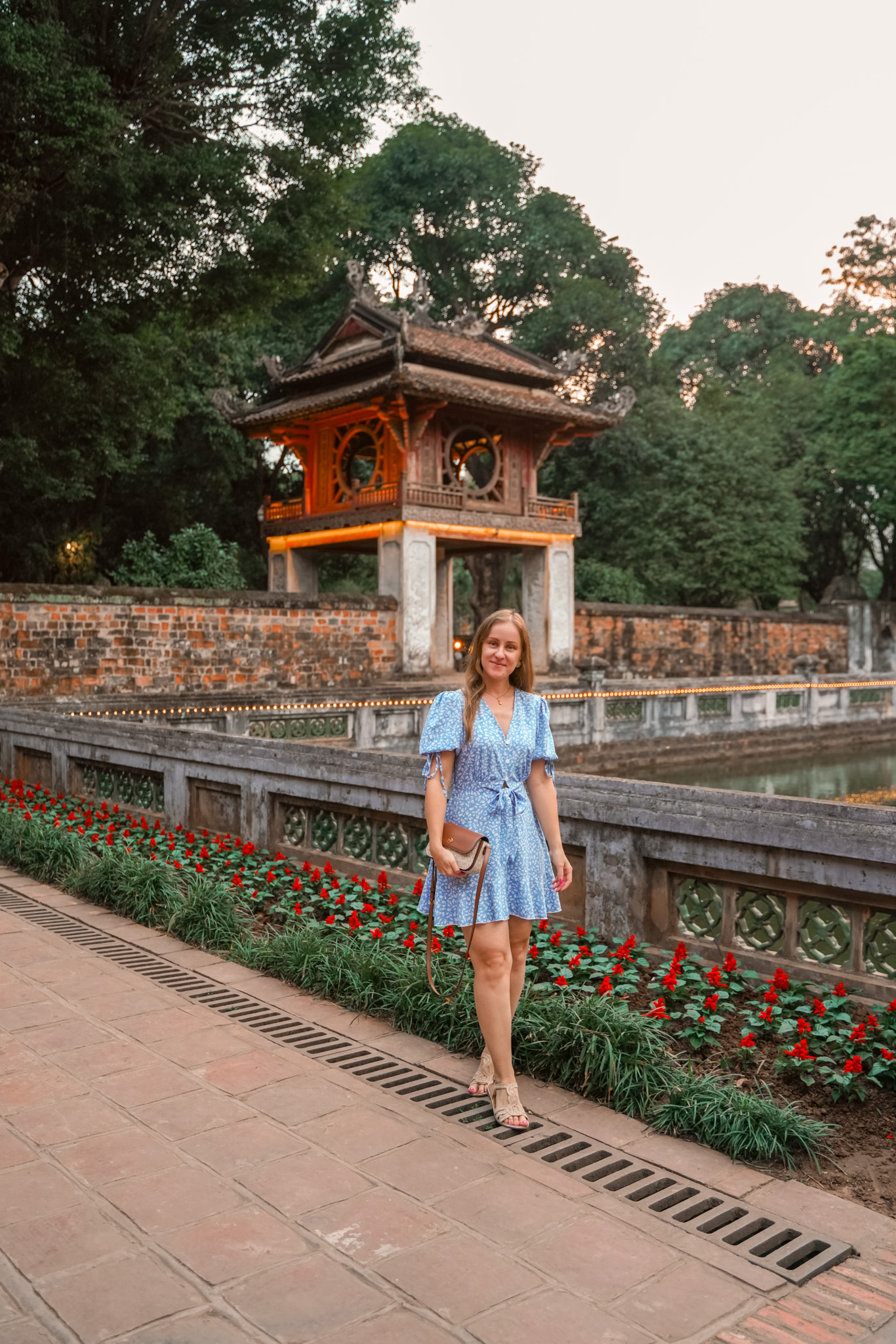

In northern Vietnam, the journey often begins in the capital Hanoi, a city that uniquely blends tradition and modern life. Motorbikes dominate the streets, while small cafés, street food stalls and traditional shops line the narrow lanes of the Old Quarter. Attractions such as the Ho Chi Minh Mausoleum, the historic Temple of Literature and the famous Hanoi Train Street offer a first impression of the country’s cultural and historical richness.

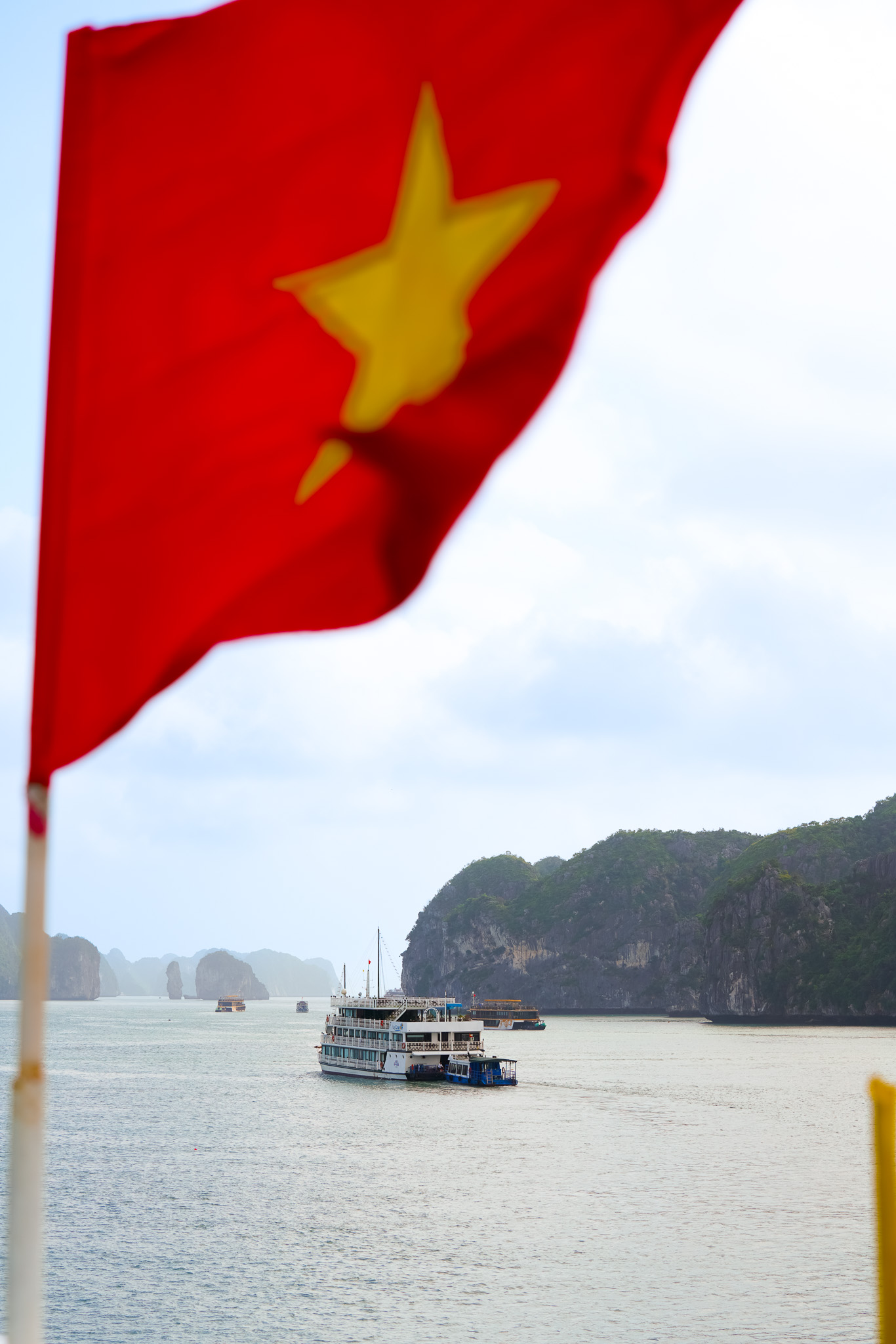
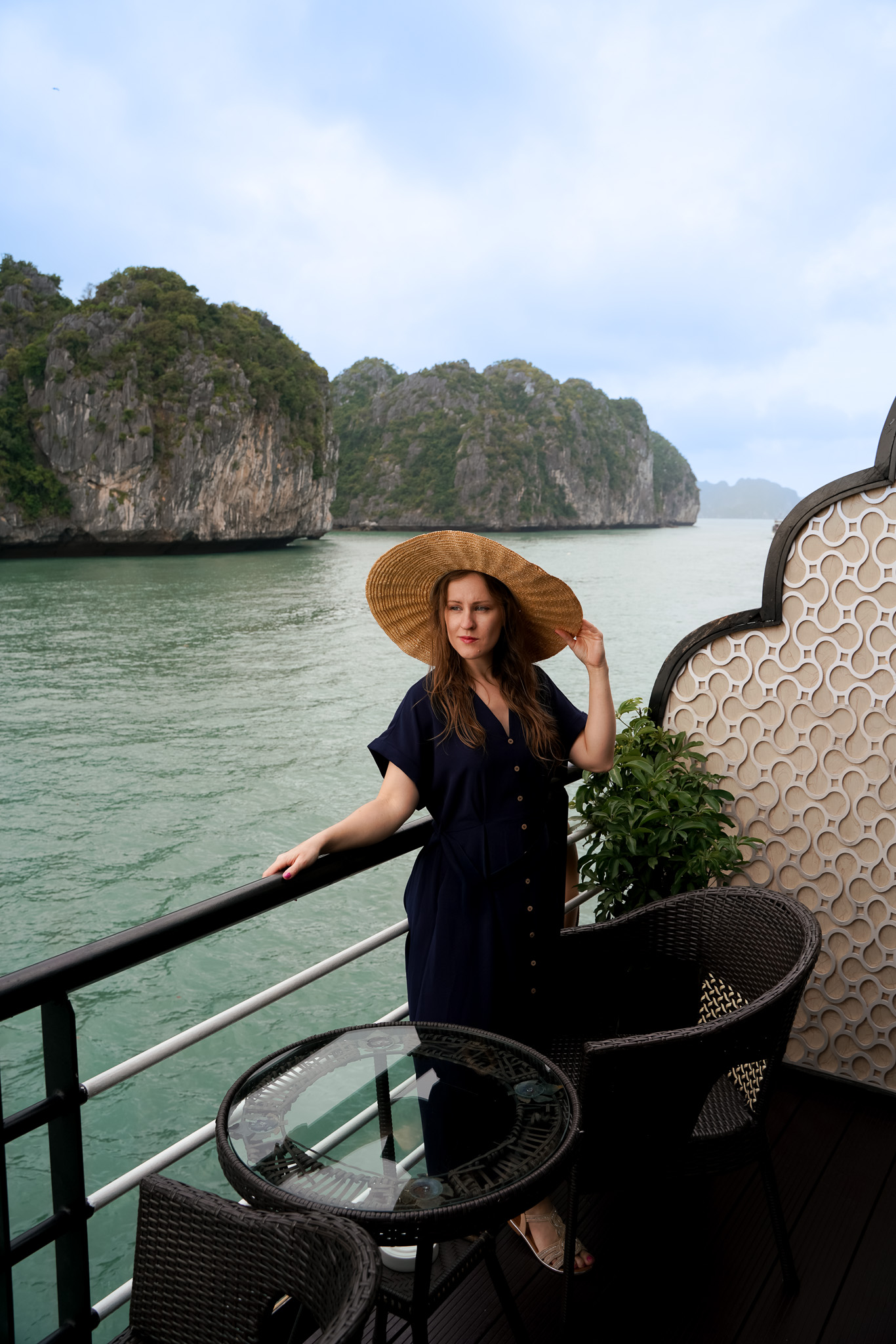
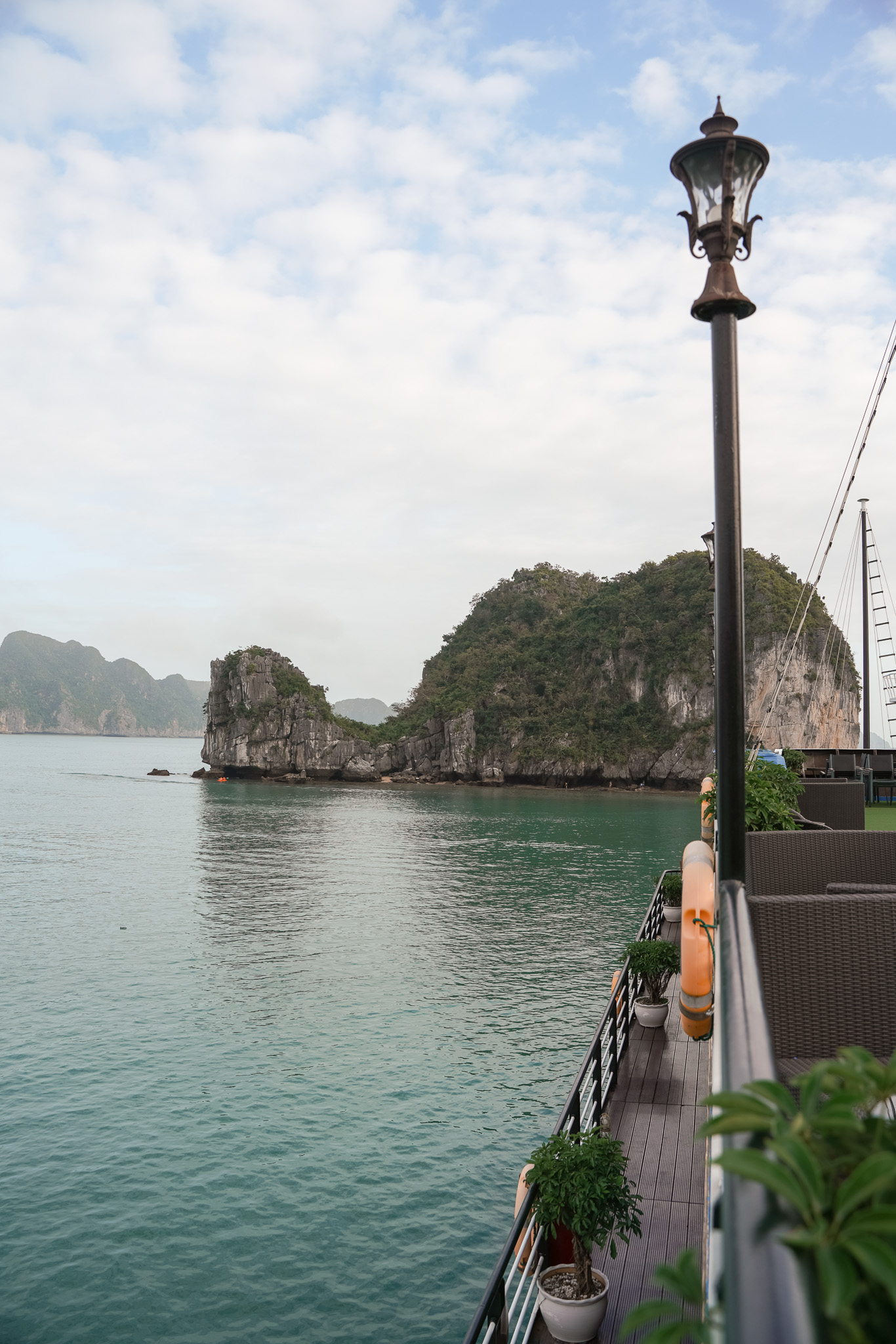
A true natural highlight lies just a few hours away: the world-famous Ha Long Bay. With thousands of limestone karsts, the bay is one of Southeast Asia’s most spectacular landscapes and a UNESCO World Heritage Site. Multi-day boat cruises are particularly popular, allowing travellers to sail through the quieter Lan Ha Bay, kayak, visit caves or simply enjoy the sunset from the deck. Spending a night on board is often one of the most memorable moments of any Vietnam trip.
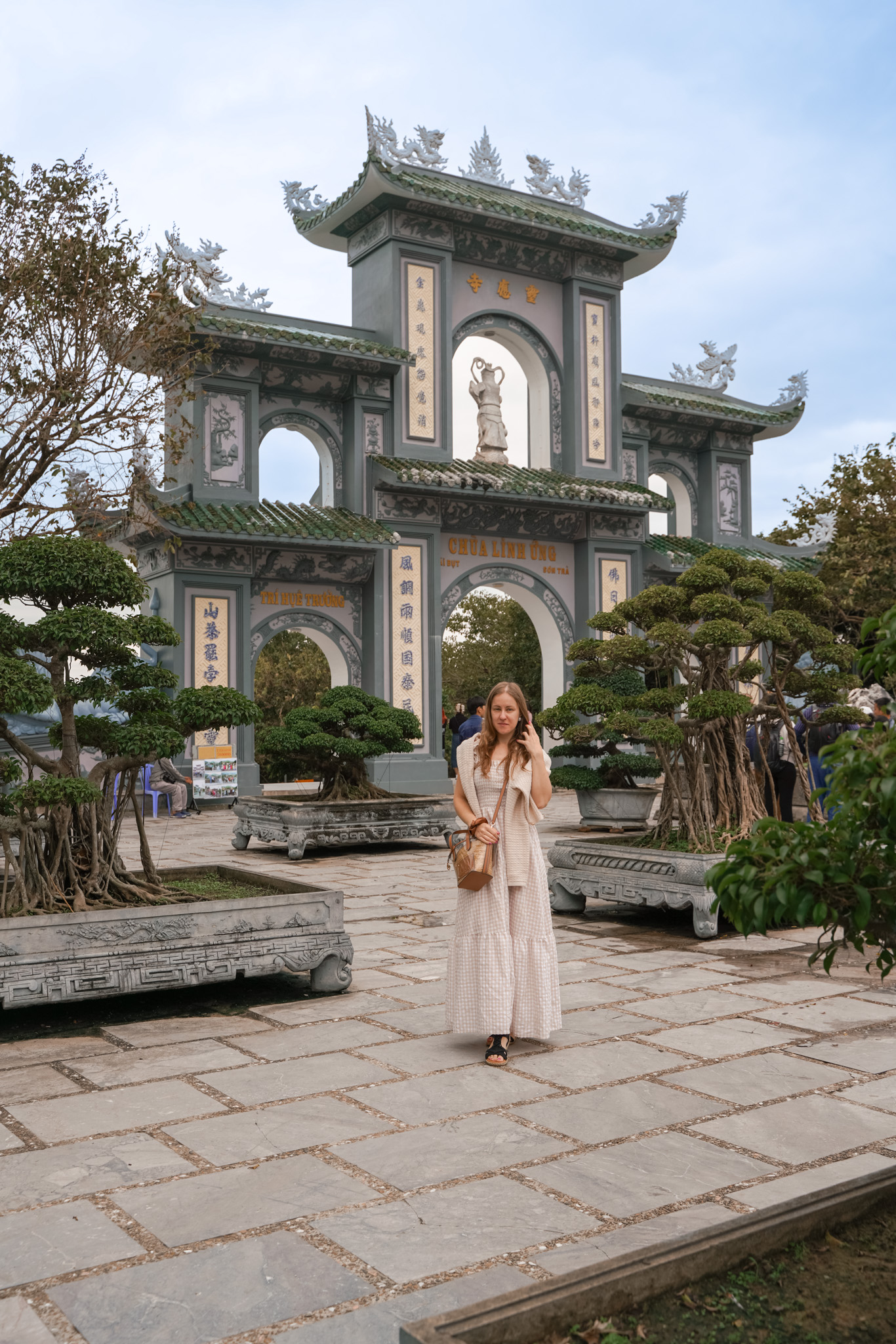


From northern Vietnam, the route often continues to the central coast to Da Nang. This modern coastal city is known for its long sandy beaches, especially My Khe Beach, considered one of the most beautiful beaches in the country. Nearby are the Marble Mountains, a group of five marble and limestone hills featuring caves, temples and impressive viewpoints. Also worth visiting is Son Tra Mountain, also known as Monkey Mountain, offering spectacular views over the coastline.


Just a short drive away lies the historic town of Hoi An, one of the most beautiful places in Vietnam. The old town, with its yellow colonial houses, colourful lanterns and small cafés, is a UNESCO World Heritage Site and becomes particularly magical in the evening when thousands of lanterns illuminate the streets.

Vietnam combines an incredible variety within relatively short distances: historic cities, spectacular nature, beautiful coastlines and a vibrant culture. This diversity makes the country the perfect introduction to a larger Southeast Asia journey — and a destination many travellers return to later. Read my article about Vietnam.
Laos – Tranquillity, Nature and Cultural Depth

After lively Vietnam, Laos feels almost like another world. The country is significantly quieter, more traditional and less developed for tourism than many of its neighbours. This relaxed atmosphere is exactly what makes Laos so special. Instead of hectic cities, Buddhist temples, tropical landscapes and a lifestyle shaped by the Mekong River and centuries-old traditions dominate.


The cultural heart of the country is the UNESCO World Heritage town of Luang Prabang. The former royal capital sits beautifully between the Mekong and Nam Khan rivers and is considered one of the most beautiful towns in Southeast Asia. Colonial buildings from the French period, Buddhist temples and small cafés create an atmosphere that feels both culturally rich and pleasantly slow-paced.


One of the most important sights is Wat Xieng Thong, one of the country’s most significant Buddhist temples. Its ornate roofs, golden decorations and detailed mosaics make it an architectural highlight. Also worth visiting is the Royal Palace Museum, which offers insight into the history of the Laotian monarchy and the country’s cultural development.

A popular viewpoint is Mount Phousi, a hill in the centre of town offering spectacular views over Luang Prabang, the Mekong and surrounding mountains. Many visitors gather here at sunset to enjoy the peaceful atmosphere.


Among the most impressive natural attractions in the region are the turquoise Kuang Si Falls. Multiple cascading pools create natural swimming spots. Nearby is the Tat Kuang Si Bear Rescue Centre, a conservation project for rescued Asian black bears.


Another highlight is a boat trip along the Mekong to the Pak Ou Caves. These caves are filled with thousands of small Buddha statues placed there by pilgrims over centuries. The journey also provides fascinating insights into life along the Mekong.


Laos reveals a different side of Southeast Asia: less bustle, more tranquillity, spirituality and nature. As a stop between Vietnam and Cambodia, it is ideal for slowing down and experiencing the region more deeply. Read my full blogpost about Laos.
Cambodia – Temple Wonders, History and Cultural Diversity

The journey concludes in Cambodia, a country that captivates with its rich history, monumental temples and fascinating culture. Although often underestimated, Cambodia is one of Southeast Asia’s most rewarding destinations.
Siem Reap – Gateway to Angkor


Siem Reap is the gateway to one of the world’s greatest archaeological wonders: Angkor Wat. Built in the 12th century, this enormous temple complex is Cambodia’s national symbol and the largest religious monument in the world. Sunrise over the iconic towers is one of the most memorable travel experiences in Southeast Asia.

But Angkor is much more than a single temple. The former Khmer capital Angkor Thom impresses with monumental gates and the famous Bayon Temple, known for its giant stone faces. Ta Prohm is equally fascinating, with enormous tree roots growing over temple ruins, creating a mystical atmosphere.


Outside the main complex lies Banteay Srei, known for its intricate pink sandstone carvings. Another popular sunset spot is Pre Rup, offering sweeping views over the surrounding landscape.


Beyond temples, Siem Reap also offers modern attractions and cultural initiatives. APOPO trains rats to detect landmines — an innovative project supporting local communities. The Angkor Eye Ferris wheel also offers panoramic views over Siem Reap.
Phnom Penh – Past and Present


After the temples, the journey continues to Phnom Penh, located at the confluence of the Mekong and Tonlé Sap rivers. The capital blends grand architecture with moving history.


The Royal Palace, residence of the Cambodian royal family, impresses with golden roofs and manicured gardens. Within the complex lies the Silver Pagoda, with floors made of more than 5,000 silver tiles.
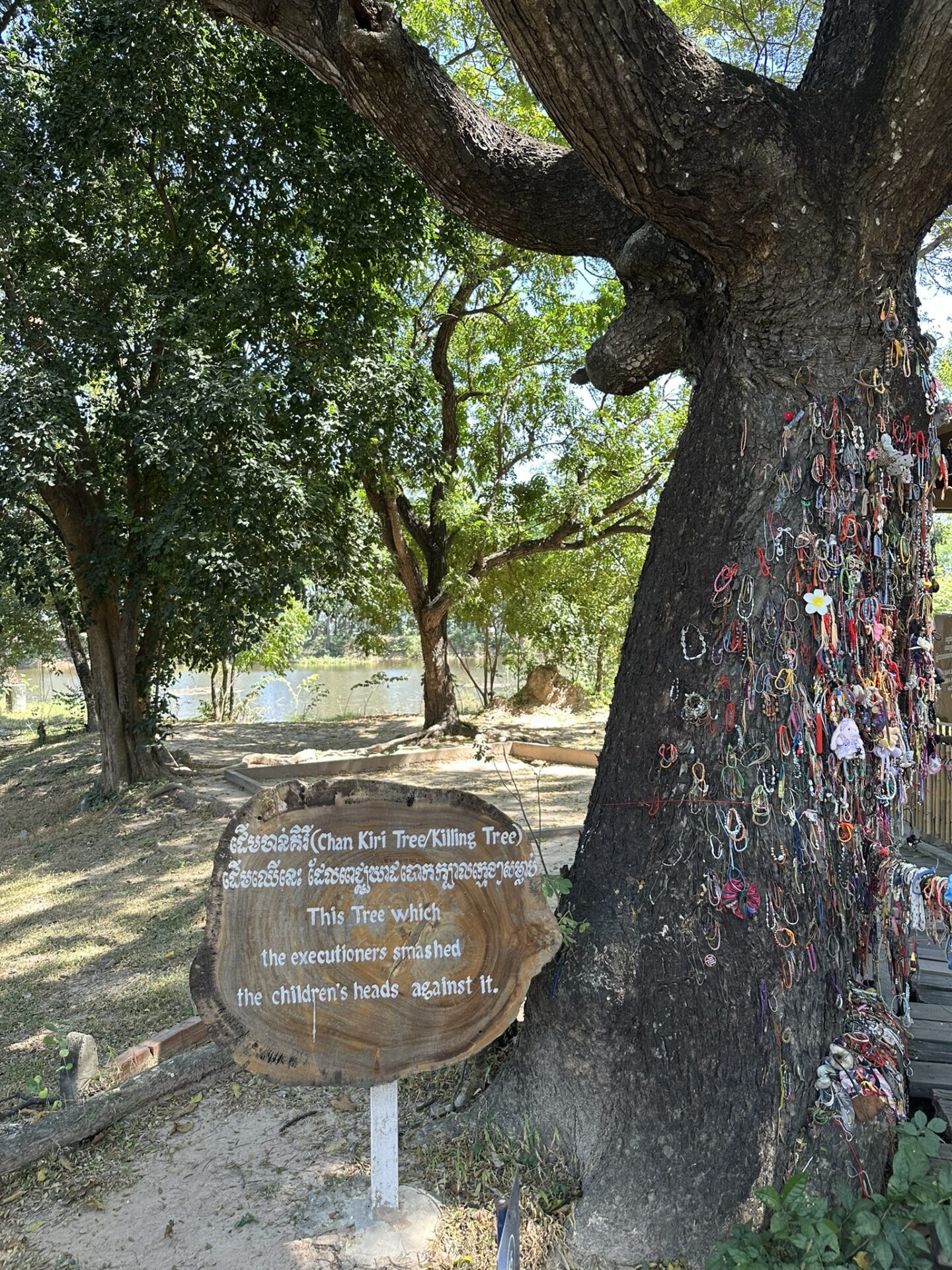
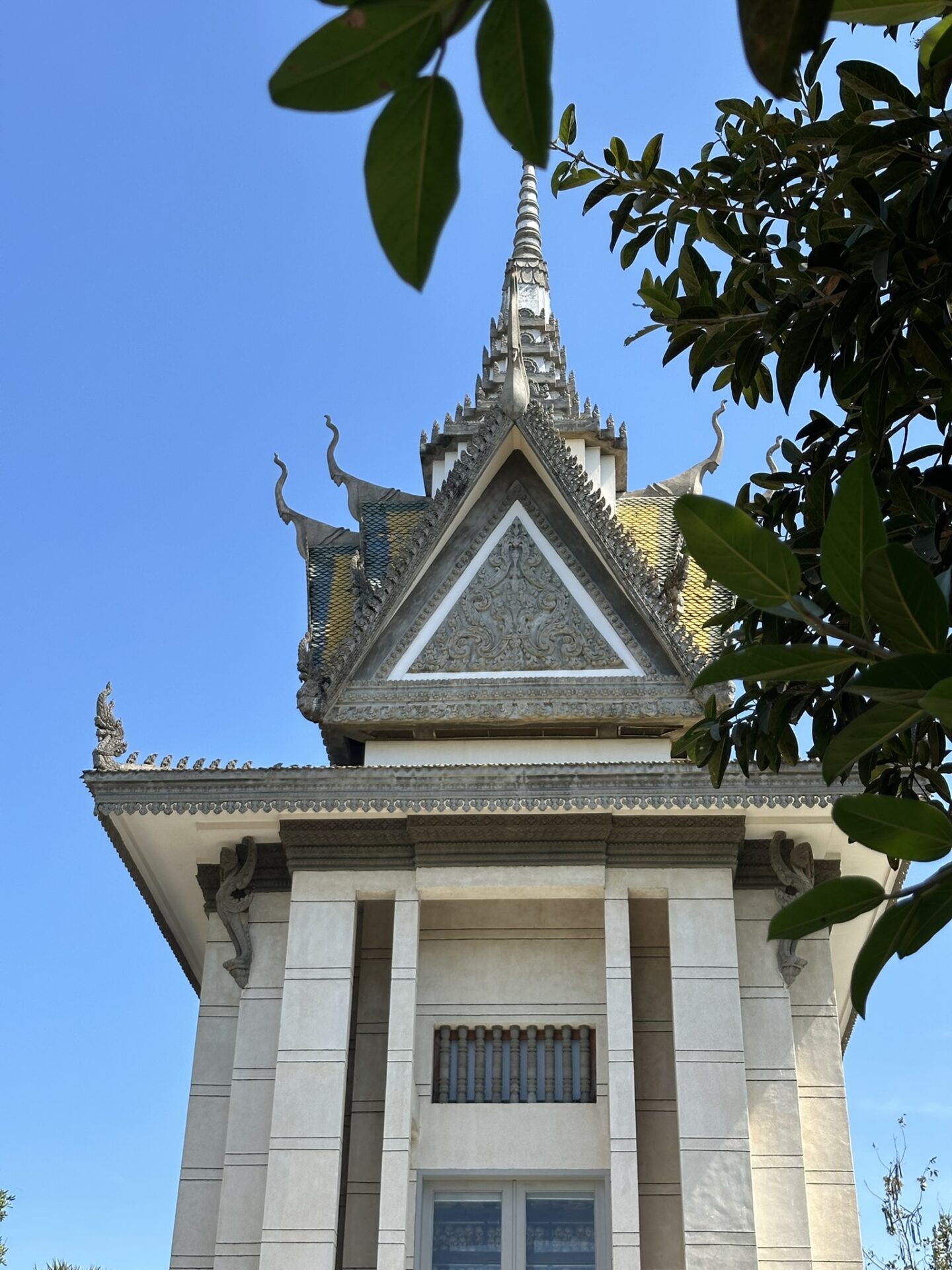
Another powerful site is the Choeung Ek Killing Fields, a memorial to victims of the Khmer Rouge. Visiting is emotional but important for understanding Cambodia’s history.


Cambodia offers far more than Angkor. In the south, tropical islands such as Koh Rong and Koh Rong Samloem feature white sandy beaches and crystal-clear water. Read my blog about Cambodia.
Travel Tips for Vietnam, Laos and Cambodia

A journey through Vietnam, Laos, and Cambodia can be planned relatively easily – especially if you structure the route deliberately and take a few practical tips into account. A good preparation is particularly helpful for first-time visitors to Southeast Asia, allowing them to enjoy the trip relaxed and experience as many highlights as possible.
Plan the route sensibly
A proven route goes from northern Vietnam through Laos to Cambodia. Starting in Hanoi is recommended, as many international flights arrive here, and both natural highlights and other cities can be easily reached from there. After a few days in Vietnam, a flight to Luang Prabang is worthwhile before the journey continues to Siem Reap and then to the capital Phnom Penh.
Overall, for this route, one should plan at least two to three weeks to explore the main places without time pressure.
Getting around within the countries
For longer distances, domestic flights in Southeast Asia are usually the most efficient option. Connections between countries and major cities are regularly offered and are often surprisingly affordable.
Within cities, apps like Grab are especially practical. Through the app, you can easily book tuk-tuks or cars, prices are displayed in advance, and payment is straightforward. This is particularly convenient for transfers between temples, sights, or hotels.
Temple visits and cultural rules
Many of the most important sights are religious places. Especially in temple complexes like Angkor Wat or when visiting Buddhist temples in Luang Prabang, certain dress codes apply. Shoulders and knees should always be covered, and respectful behavior is a given.
At historical sites like the Choeung Ek Killing Fields, appropriate clothing is also expected.
Cash and payments
In many parts of Southeast Asia, cash is still the most important means of payment. In Cambodia, in addition to the local currency, US dollars are often used, so it makes sense to have some smaller bills on hand. ATMs are available in most cities; nevertheless, it is recommended to always carry some cash – especially at markets, in tuk-tuks, or in smaller restaurants.
Plan tickets and sightseeing
For popular sights, it is advisable to organize tickets in advance. When visiting the Angkor Wat temple complex, for example, it is worthwhile to buy the ticket the evening before. Visitors can then already enter the park at sunset – an additional bonus before starting early the next morning for sunrise.
Allow for flexibility
Even if a rough route is helpful, a certain degree of flexibility always belongs to a trip through Southeast Asia. Weather, traffic, or spontaneous discoveries can quickly change plans – and often the best travel experiences arise from these moments.
Those who adjust to the pace of the region, respect local culture, and allow enough time for spontaneous discoveries will find that a journey through Vietnam, Laos, and Cambodia is not only incredibly diverse but also particularly enriching.
How to book?
I booked all flights and hotels via Trip.com, as the selection for travel in Southeast Asia is significantly larger there than on many other platforms.
First, I booked the international flights – the outbound flight to Vietnam and the return flight from Cambodia to Zurich. Then I booked the remaining flights along the planned route.
This is particularly important, as some connections in the region are not offered daily. If you first set your route and then book flights and accommodations step by step, you can better align your travel days with the available flight connections and avoid unnecessary waiting times.
