Kambodscha Travel Guide – Tempel, Kultur und Kulinarik
*contains Affiliate-Links
Passende Hotels für deinen Trip findest du hier im Vergleich.

Cambodia is a country full of contrasts: majestic temples, tranquil nature and lively cities all come together here. From the world-famous Angkor Wat complex to nature conservation projects and bustling markets in Siem Reap and the historic capital Phnom Penh, this trip combines culture, history and authentic encounters with nature.
In this guide, I highlight the most important stops, recommend hotels, activities and culinary highlights, and provide practical tips for an unforgettable stay in Cambodia, from the north to the capital.
Travelling to Cambodia
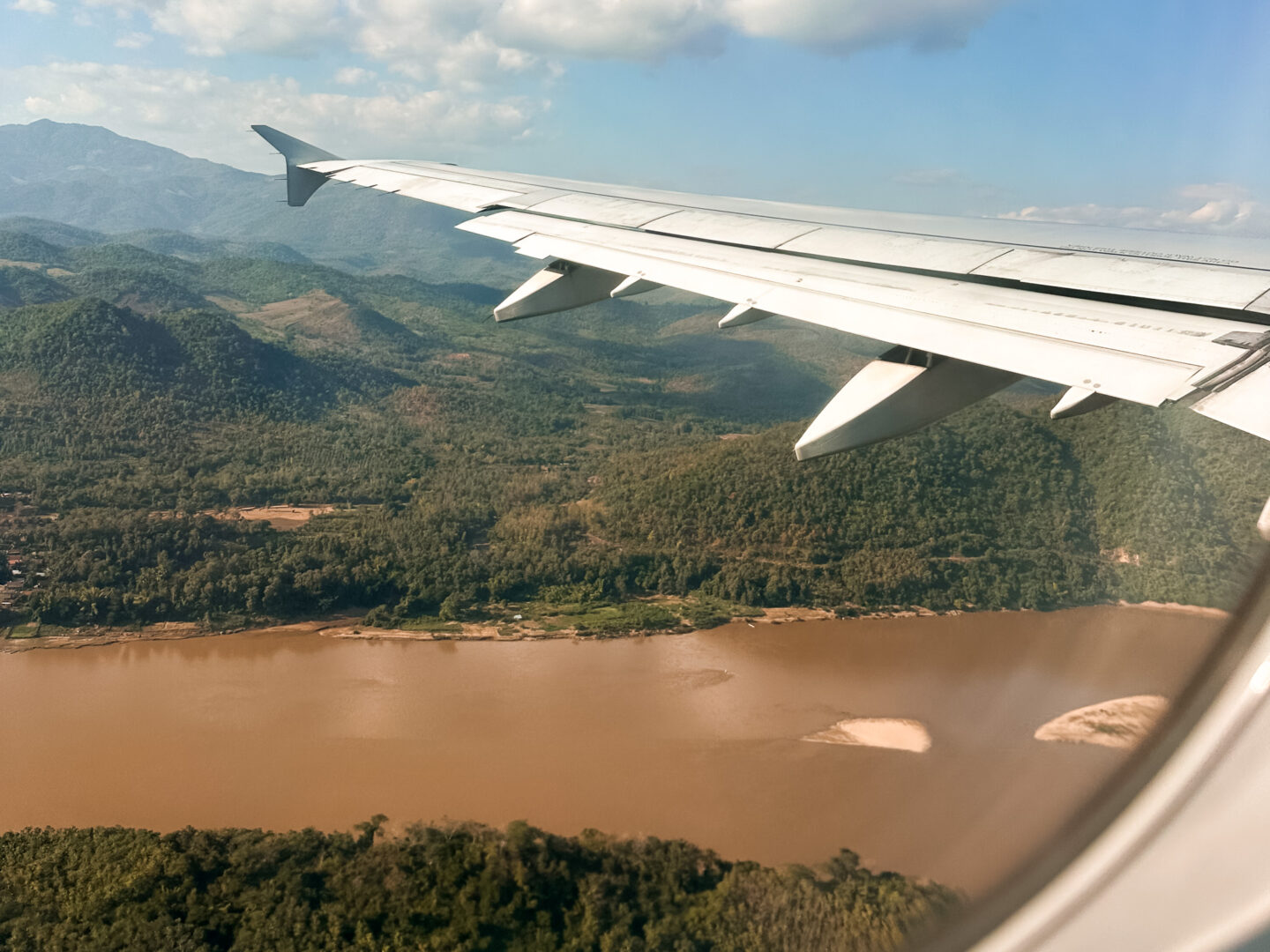
The journey to Cambodia usually involves flying to Siem Reap, the ideal starting point for visiting the famous temple complexes of Angkor. My route took me directly from Luang Prabang to Siem Reap.
However, Siem Reap International Airport is located just outside the city, about 15 to 20 kilometres from the centre. It is therefore advisable to organise a transfer; we use Grab for this. This makes your arrival stress-free and ensures that your first impression of Cambodia is a relaxed one.
For travellers visiting Cambodia directly, connections via hubs such as Bangkok, Singapore or Ho Chi Minh City are available. If you book early, you will find both international and regional airlines with good connections to Siem Reap.
Siem Reap – city, culture and lively markets
Siem Reap is much more than just the gateway to the temples of Angkor. The city itself captivates visitors with its charming mix of colonial architecture, bustling street markets, cosy cafés and relaxed atmosphere. Anyone who spends some time in the city will discover numerous small attractions, local arts and crafts, and culinary highlights.
Angkor Wat & temple complex – highlight of Siem Reap

No visit to Siem Reap is complete without a trip to the world-famous Angkor Wat region. This UNESCO World Heritage Site comprises a multitude of impressive temples that are fascinating both architecturally and historically. Google Maps gives you a good overview of where you are, allowing you to explore everything at your leisure.
[meow_gallery ids=“188514″ columns=“3″]


The most important temples
- Angkor Wat: The largest religious monument in the world and Cambodia’s iconic landmark. Particularly impressive at sunrise, when the light bathes the silhouette of the towers in golden tones.
- Angkor Thom: The former capital of the Khmer Empire, known for the Bayon Temple with its huge face towers.
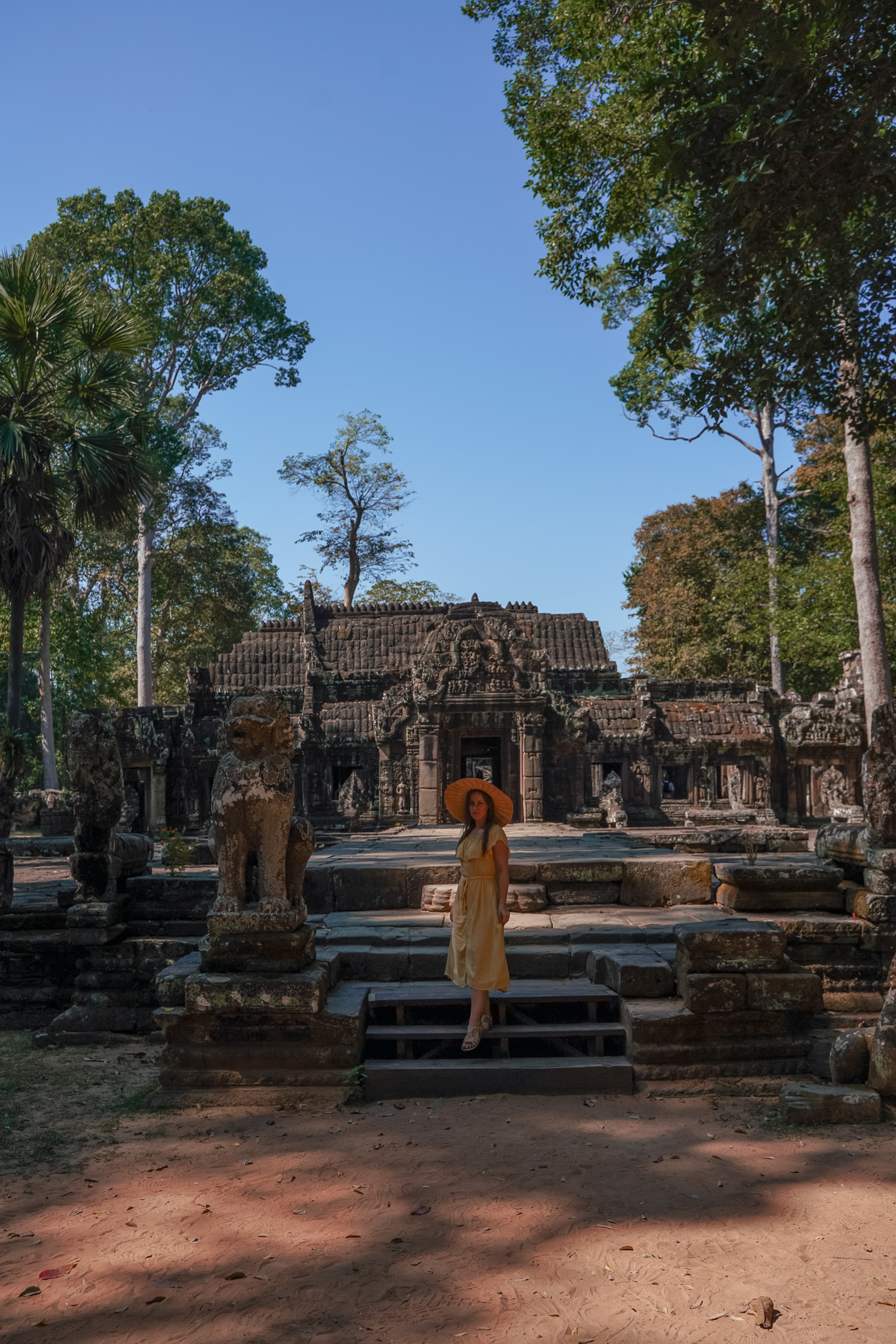
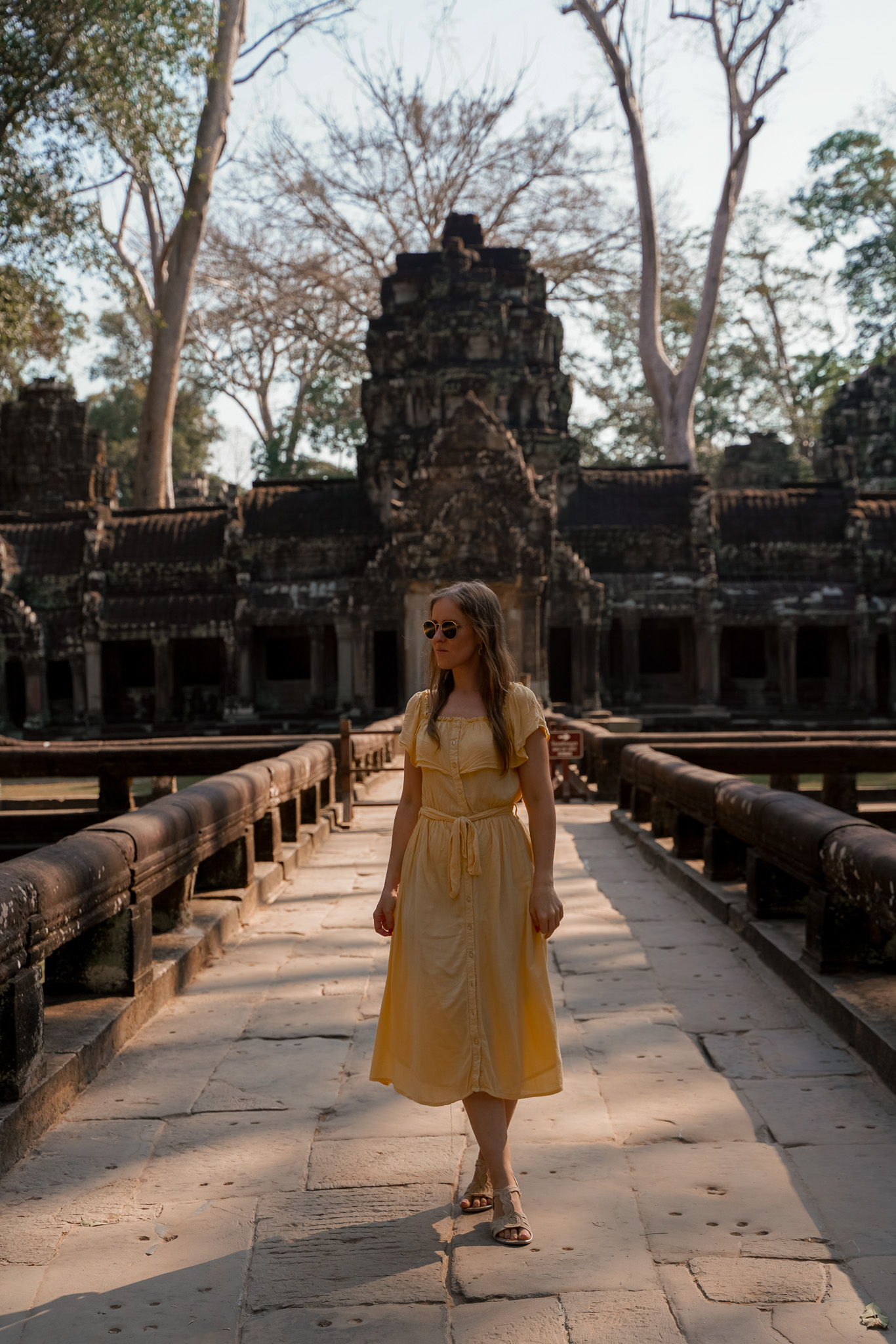
Ta Prohm: Famous from the film Tomb Raider, where tree roots overgrow the ruins and create a mysterious atmosphere. - Banteay Srei: A somewhat remote but particularly ornate temple made of pink sandstone.
- Pre Rup: A beautiful viewing temple, particularly suitable for watching the sunset.
- Phnom Bakheng: The temple is located on a hill and is particularly well known as a place to watch the sunset over the Angkor Wat temple complex. It is one of the oldest temples in the region and, due to its elevated position, offers a wide view of the surrounding vegetation and ancient ruins.
[meow_gallery ids=“188527″ columns=“3″]

Practical information
- Tickets: Access to Angkor is granted with a one-day, three-day or seven-day ticket. If you want to visit several temples, we recommend the three-day ticket. However, we opted for the one-day ticket and purchased it on site via an app after 5 p.m. the evening before. This gives you free admission at sunset. We were still able to visit all the important temples.
- Sunset the evening before: The evening before the actual sunrise tour, it is worth visiting Pre Rup temple to enjoy the sunset for free – it is less crowded and perfect for photos.
- Transport between temples: Tuk-tuks are the most flexible option. Alternatively, Grab taxis can be used to commute comfortably between temples and hotels.
- Within the city: There are also smaller temples in the Siem Reap city area, such as Wat Preah En Kau, which are suitable for short visits before heading to the large temple complex.
- Quad bike tours: For the adventurous, quad bike tours offer an exciting opportunity to explore more distant temples such as Banteay Srei and experience the rural surroundings.
[meow_gallery ids=“188528″ columns=“2″]
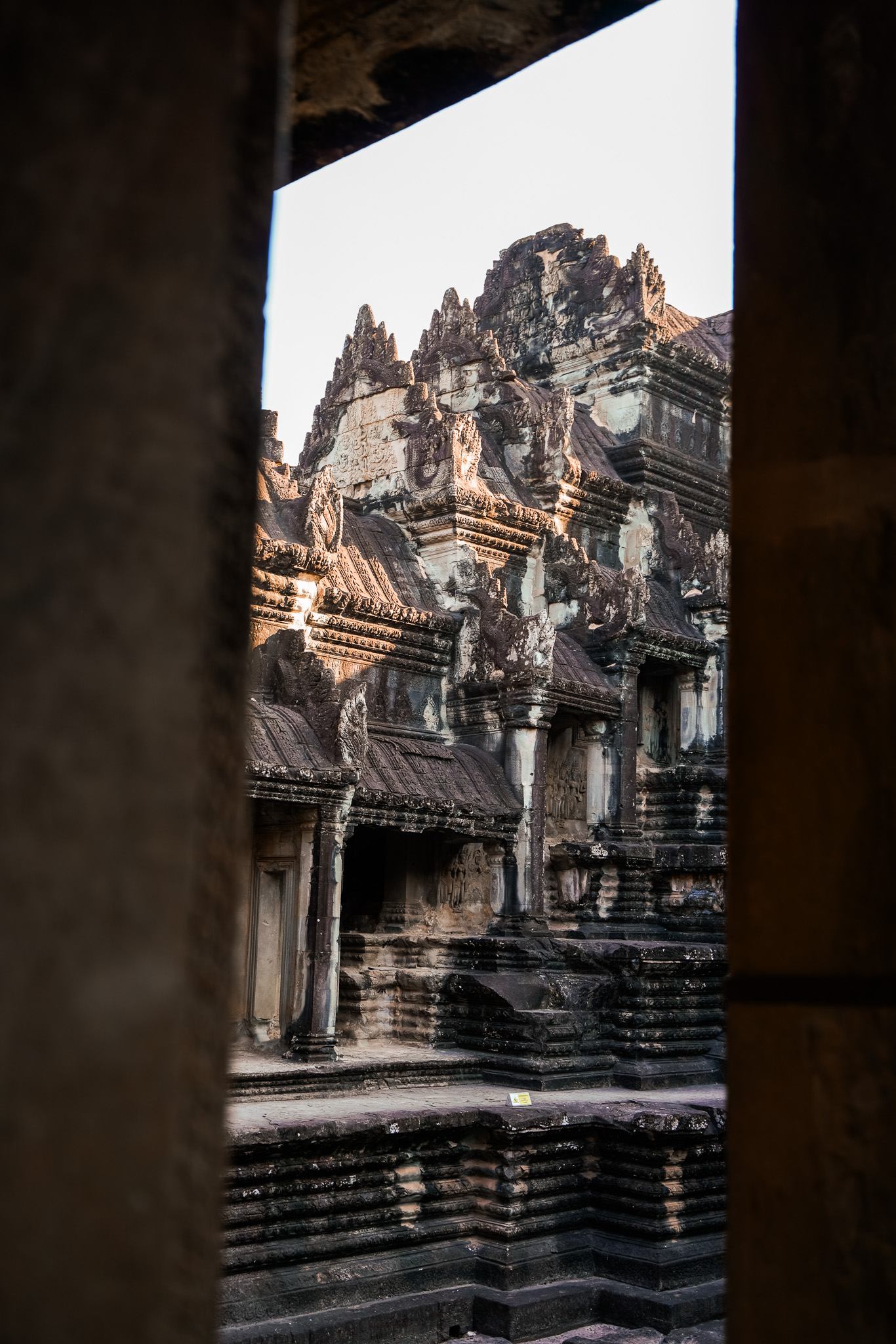
The Angkor region combines history, architecture and nature in a unique way. With the right planning – sunrise tour, transfers by tuk-tuk or Grab, and a careful selection of temples – you can enjoy an unforgettable day without feeling rushed.
Sights in Siem Reap – culture, temples and city life

In addition to the world-famous temples of Angkor, Siem Reap itself has several places worth seeing that can be easily combined with a city tour or short excursions.
Historical and cultural highlights

- Royal Palace Museum – Although the Royal Palace is located in Phnom Penh, there are smaller palace museums and royal relics in Siem Reap that offer insight into Khmer history.
- Wat Preah Prom Rath – This lively Buddhist monastery in the heart of Siem Reap combines modern colourful statue art with centuries-old legends and offers a peaceful atmosphere away from the ancient ruins of Angkor.
- Wat Preah En Kau and other city temples – Within the city, there are several Buddhist temples to discover, featuring ornate statues, golden decorations and tranquil courtyards. Perfect for a stroll without visiting the large temples outside the city.
Markets & local culture
- Old Market (Psar Chaa) – Centre for local handicrafts, souvenirs, clothing and food. During the day, it is a bustling hub of activity, while in the evening, the market transforms into a night market with street food stalls, handicrafts and small cafés.
- Pub Street – Main street for restaurants, cafés and souvenir shops; ideal for strolling in the evening and sampling Cambodian specialities or drinks. Be sure to visit the Lady Khmer restaurant for great food at incredible prices.
Nature & adventure in the surrounding area
[meow_gallery ids=“188505″ columns=“3″]


- Quad bike tours to Banteay Srei and rural temples – Adventurers can explore the region around Siem Reap by quad bike. The tours take you through villages, rice fields and to ornately decorated temples off the beaten track.
- Angkor Eye: The Angkor Eye is a modern Ferris wheel that offers a panoramic view of Siem Reap and the surrounding temple landscape. The view is particularly spectacular at sunset, when the golden temples are bathed in warm light and the city slowly envelops itself in tranquillity.
- APOPO – Mine rats and social projects – An innovative project in which trained rats locate mines and search for landmines. Visitors gain exciting insights into animal welfare and local development work. The APOPO team trains rats – known as ‘HeroRats’ – to locate landmines and safely identify explosive ordnance. This method is not only effective, but also fast, inexpensive and completely safe for the animals.
- Miniature golf: For a relaxing activity after a long day of sightseeing, Siem Reap has a miniature golf course that is ideal for couples or families. It offers an entertaining change of pace between cultural highlights and is a pleasant place to end the evening before heading back to the hotel.

Useful information
- Many attractions are easily accessible by tuk-tuk or Grab taxi. For longer tours such as quad bike trips, it is worth booking through GetyourGuide, as the providers will pick you up directly from your hotel.
- Start early: Visiting temples or markets in the morning allows you to avoid the crowds and heat.
- Sunset and nightlife: Some temples, such as Pre Rup, are ideal for watching the sunset, while night markets and Pub Street characterise the city’s evening life.
Siem Reap offers a balanced mix of city life, culture, history and nature experiences – perfect for anyone who wants to experience both temples and authentic Cambodian life.
Phnom Penh – History, culture and moving memories

After visiting the temples of Siem Reap, the journey continues to Cambodia’s capital, Phnom Penh, a city that combines colonial architecture, lively markets and, above all, a moving history. Phnom Penh is the political, cultural and economic centre of Cambodia and showcases both the beauty and the dark side of the country.
Royal Palace & Silver Pagoda
[meow_gallery ids=“188533″ columns=“2″]

A central highlight of the city is the Royal Palace, which impresses with its extensive, well-tended gardens, elegant pavilions and ornately decorated buildings. The palace is still the residence of the Cambodian royal family and a symbol of the country’s centuries-old tradition and culture. Within the palace grounds lies the Silver Pagoda, also known as Wat Preah Keo Morokat. The floor of the pagoda is covered with over 5,000 shiny silver tiles, which together form a sparkling surface and reflect the light in a fascinating way.
Memorial sites: Killing Fields & Tuol Sleng
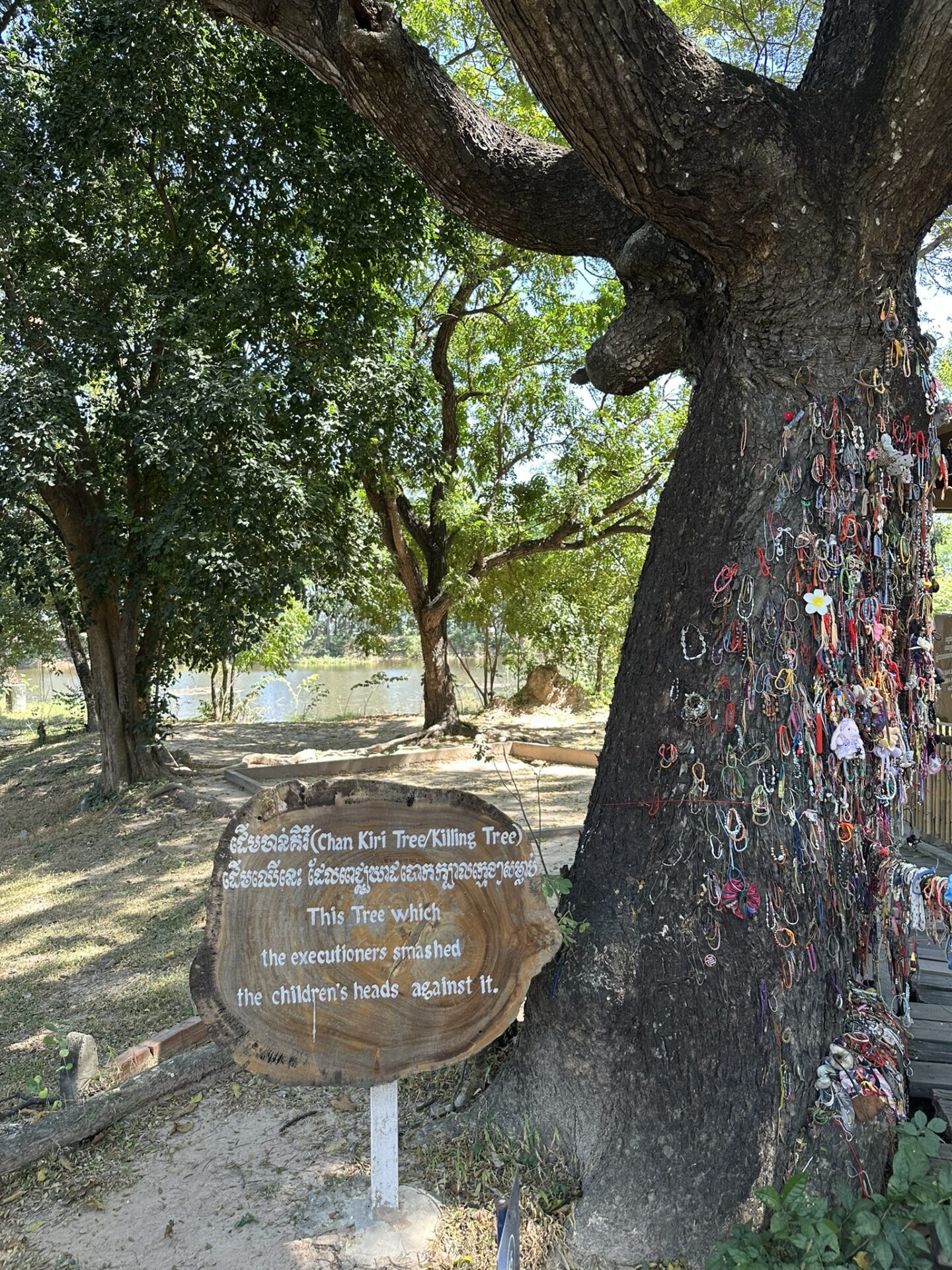
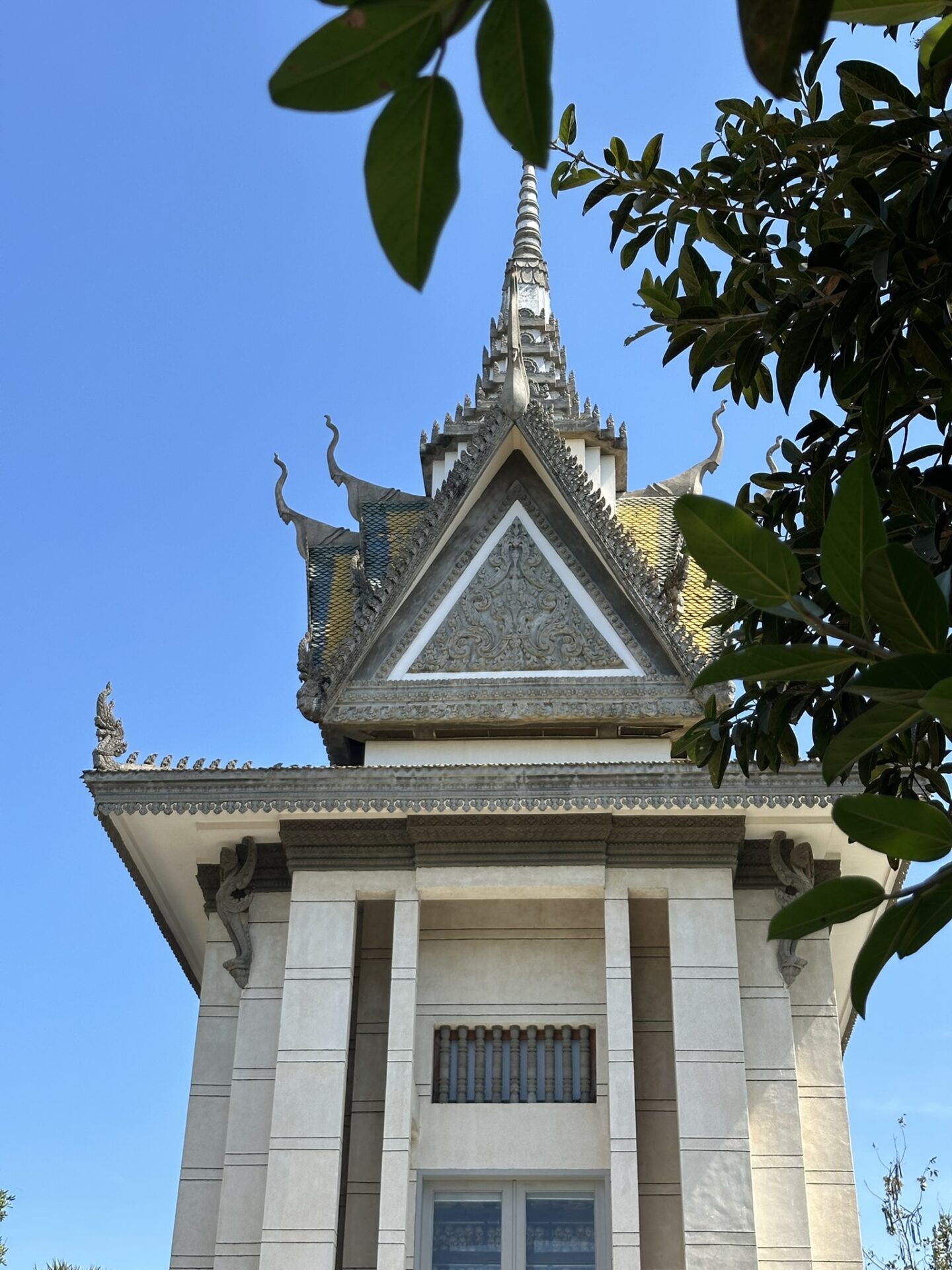
The Killing Fields are a particularly moving experience, where you can learn more about the tragic history of the Khmer Rouge. The visit is moving and provides a deep insight into the suffering that the country experienced in the 1970s. In addition, the Tuol Sleng Genocide Museum is a former prison that now serves as a museum commemorating the victims – impressive and important places to visit in order to understand Cambodia’s recent history.
City life & markets

Away from the historical sites, it is worth taking a stroll through the local markets. The Central Market (Phsar Thmei) is particularly impressive with its Art Deco architecture and bustling atmosphere, while the Russian Market (Phsar Toul Tompoung) is known for its handicrafts, souvenirs and textiles. Here you can gain an authentic insight into everyday life in the city.
My personal recommendation
Phnom Penh is a city of contrasts: magnificent palaces and moving memorial sites stand alongside lively markets and bustling streets. It is important for travellers to allow enough time to visit historical sites such as the Killing Fields and Tuol Sleng in order to truly understand Cambodia’s history. At the same time, it is worth visiting the local markets to get a feel for life in the city today.
Hotel recommendations in Cambodia

Here are some recommendations to choose the right hotel for your needs in Cambodia. Overall from a Swiss Perspective you can get quite a lot of luxury for a small budget. But always check the location of the hotel you choose.
Hotels in Siem Reap – Comfortable accommodation between temples and the city
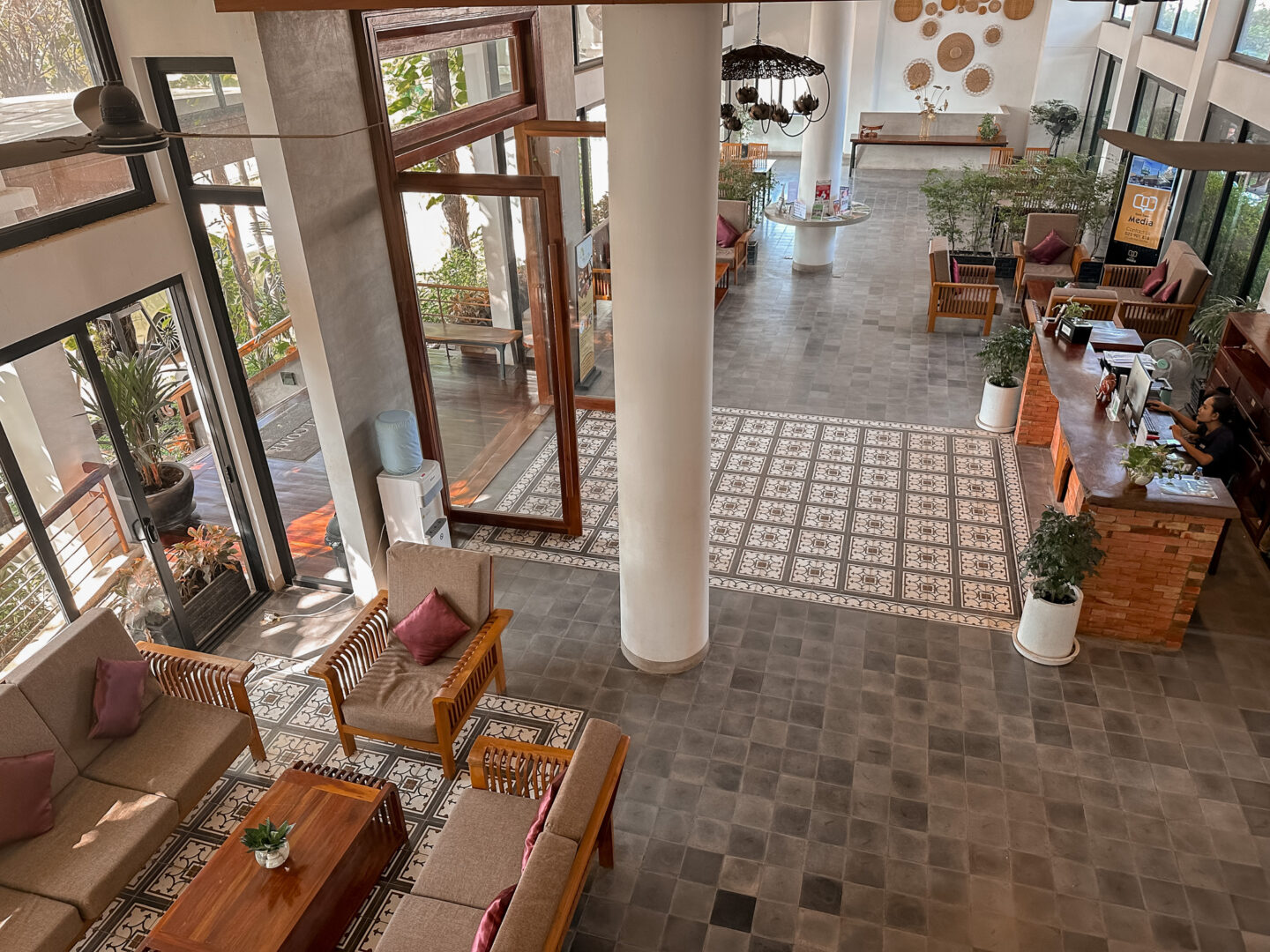
There is accommodation to suit every taste for a stay in Siem Reap – from charming boutique hotels to luxurious resorts. During my trip, I stayed at the Daco Hotel, which impressed me with its central location, friendly service and comfortable rooms. The hotel is just a few minutes‘ walk from markets, restaurants and tuk-tuk stands and offers a quiet pool area to relax in after a day of visiting temples. The rooms are bright and spacious and offer all the modern amenities you need for a pleasant stay. The breakfast buffet is generous, and I recommend ordering dishes such as noodles or rice dishes, all of which are included at a very good price.

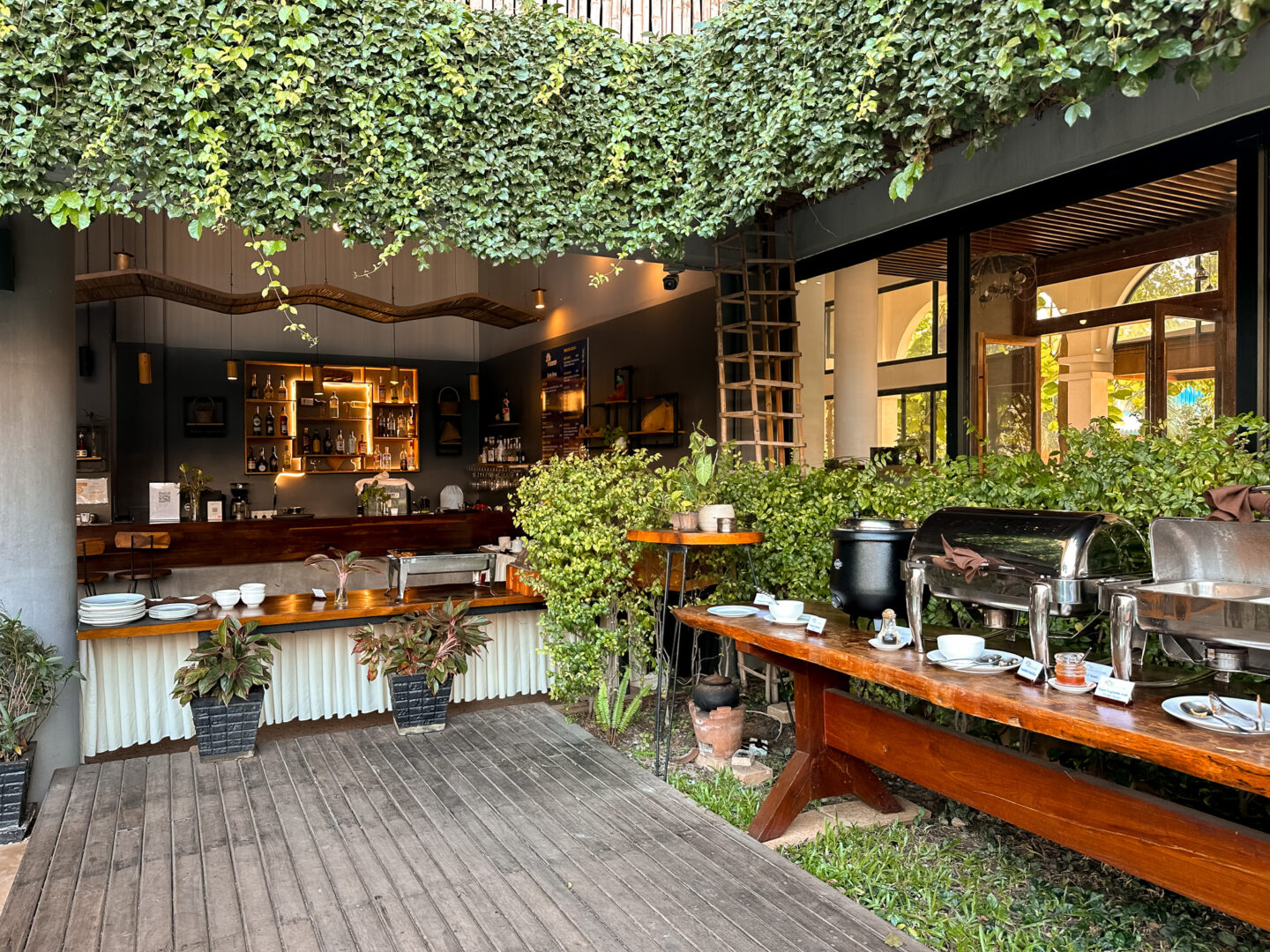
Those who prefer more luxury will find several exclusive alternatives in Siem Reap. The Park Hyatt Siem Reap captivates with its colonial charm, lush gardens, stylishly furnished rooms and upscale culinary offerings. Another very exclusive option is the La Riviére d’Angkor, a riverside resort with elegant villas, private pools and first-class service – perfect for travellers seeking peace, privacy and luxury. For a creative boutique approach, the Shinta Mani Angkor offers stylish suites, personalised service and a central location, ideal for exploring the city while also providing a relaxing retreat.
Hotels in Phnom Penh – luxury, comfort and panoramic views
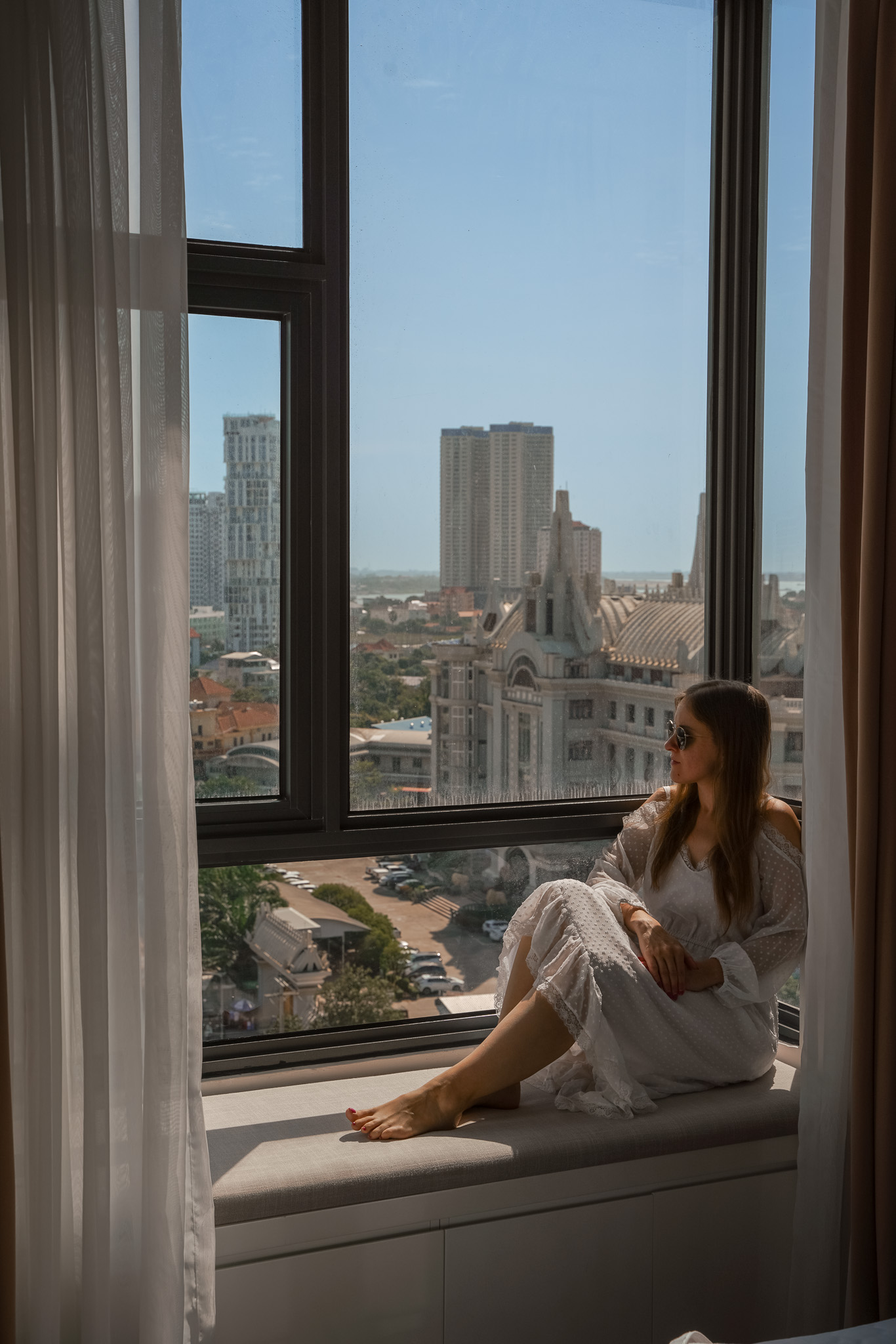
For a stay in Phnom Penh, we recommend a hotel that combines a central location, tranquillity and exclusive amenities. During my trip, I stayed at The Peninsula Phnom Penh, which perfectly meets all these criteria.

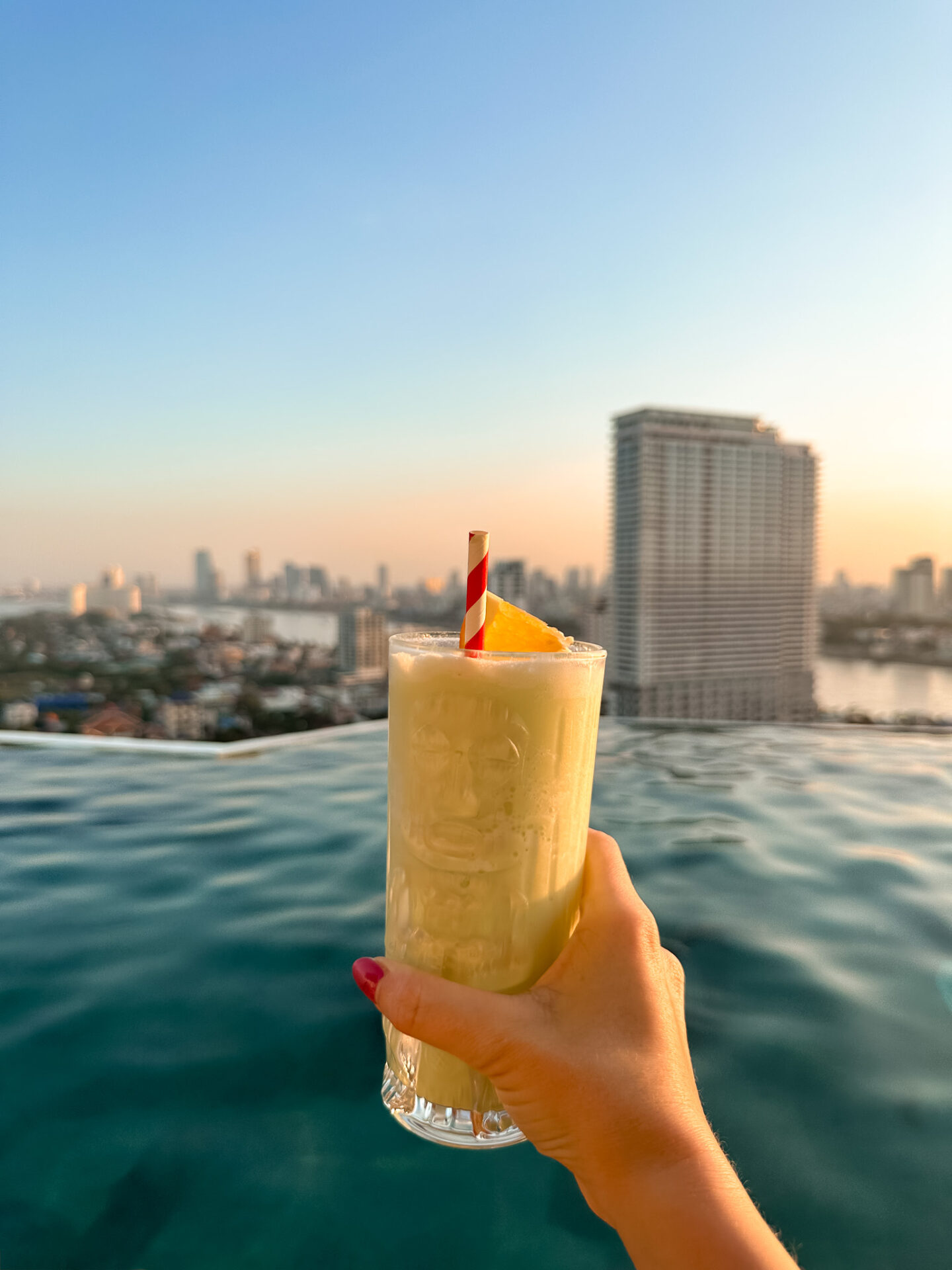
The Peninsula Phnom Penh impresses with its spacious, stylishly furnished rooms featuring modern amenities and elegant interiors. The rooftop pool with panoramic views of the city and the Mekong River is particularly impressive – the perfect place to relax and enjoy the sunset after a day of exploring. The hotel’s restaurant also impresses with a selection of Cambodian and international dishes, served in style on the roof terrace or in an elegant atmosphere.
If you are looking for a luxurious stay in a central location, this is the place for you. Alternatively, hotels such as the Raffles Hotel Le Royal, with its colonial charm and spacious garden, or the Rosewood Phnom Penh, with its modern luxury, exclusive spa and restaurant facilities, offer further high-quality options.
The Peninsula offers a comfortable retreat after visiting the Royal Palace, Silver Pagoda or moving memorial sites such as the Killing Fields. At the same time, you can enjoy the panoramic view of the city at sunset from the rooftop pool – an unforgettable end to an eventful day in Phnom Penh.
Cuisine in Cambodia – Tasty discoveries
[meow_gallery ids=“188555″ columns=“3″]

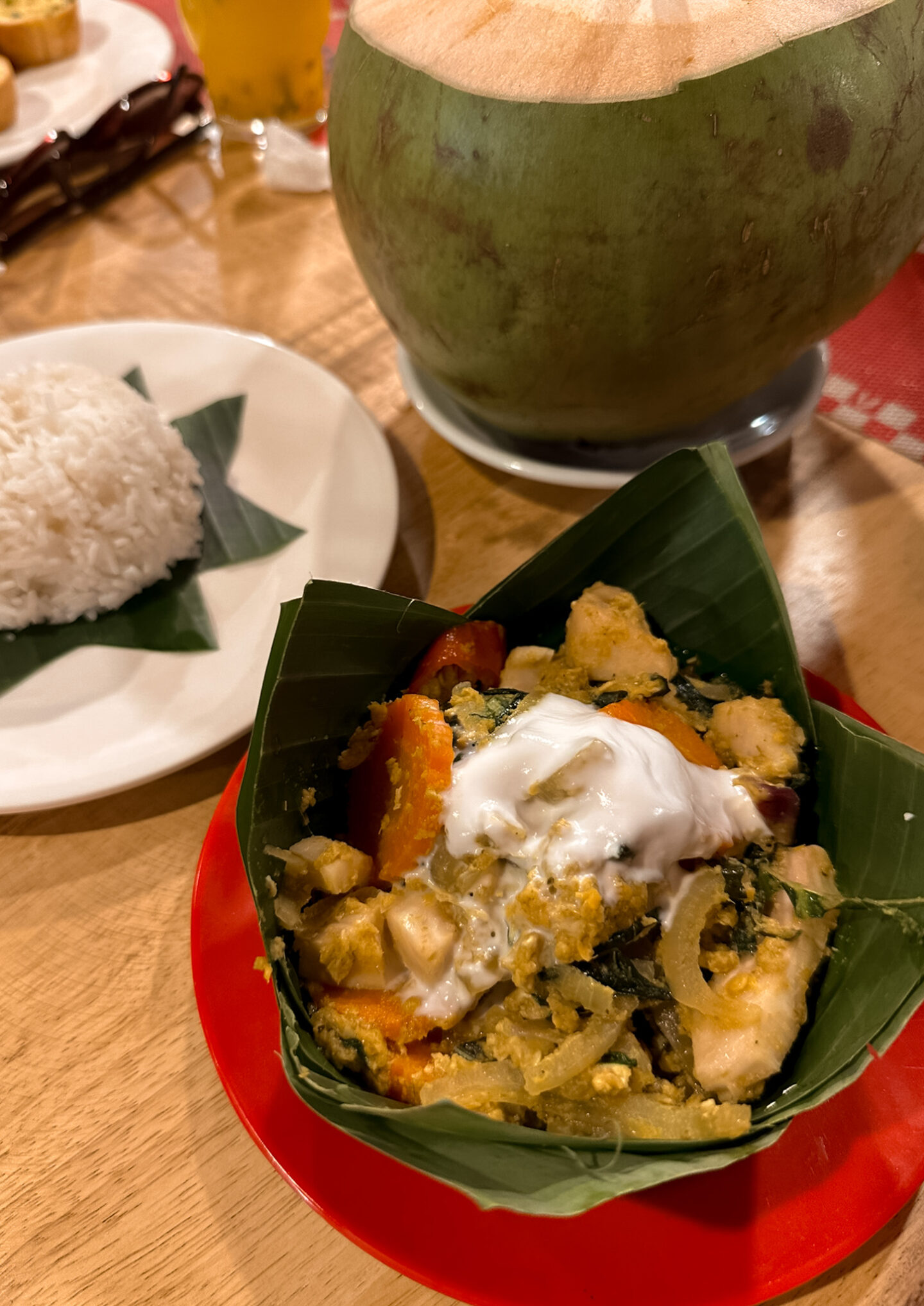
Cambodian cuisine is diverse, aromatic and often underrated compared to neighbouring countries such as Thailand or Vietnam. In Cambodia, fresh herbs, spices and regional ingredients are combined to create dishes that are light but full of flavour.
Classics include amok, a creamy curry made with fish or chicken and steamed in banana leaves; kuy teav, a noodle soup with aromatic broth; and Khmer BBQ, where meat, fish and vegetables are grilled right at the table. Fresh salads, tropical fruits and small snacks are also widely available.
[meow_gallery ids=“188551″ columns=“2″]

In cities such as Siem Reap or Phnom Penh, it is worth visiting markets such as the Old Market or the Central Market to experience authentic flavours. There are numerous restaurants, cafés and street food stalls – a good rule of thumb is to eat where there are lots of locals or where Google reviews are high.
During my trip, I avoided street food for reasons of hygiene and safety, especially during pregnancy. Nevertheless, there are numerous restaurants and hotel kitchens where Cambodian cuisine can be enjoyed safely and in style.
Tip: If you’re feeling adventurous, try the local specialities, but always make sure they’re fresh. Fresh fruit, grilled fish dishes or a classic amok curry are easily accessible, delicious and typically Cambodian. And don’t be alarmed if you see vendors grilling rats on the side of the road.
Travel tips for Cambodia – visas, entry requirements and temple rules
[meow_gallery ids=“188511″ columns=“3″]


To ensure that your stay in Cambodia runs smoothly from the outset, here are some practical tips on entering the country and sightseeing.
Visas & entry – simple and flexible
- Online in Advance (eVisa): You can apply for an electronic visa through the Official Cambodia eVisa Portal before your departure. The approved eVisa will be sent to you via email, and you can present it upon entry. This saves waiting time at the airport and is very convenient.
- Visa on Arrival: Alternatively, you can obtain a tourist visa directly upon arrival at the airport. Your passport must be valid for at least six months beyond the end of your trip. Most nationalities, including Swiss, German, and Austrian citizens, can easily apply for this visa on-site. The fee is generally around 30 USD for a tourist visa (Type T).
- e-Arrival Card: Since the beginning of 2025, an electronic arrival card is mandatory. You should complete this form online via the official Cambodia e-Arrival Website or the „Cambodia e-Arrival“ mobile app within 7 days before your entry. This digital form consolidates immigration, health, and customs declarations. [1, 2, 3, 4, 5, 6]
- Passport with at least six months of remaining validity.
- Return or onward flight ticket.
- Visa or eVisa.
- Cash or card in US Dollars for the visa fee if applying on-site. [3, 5]
Currency
In Cambodia, the US dollar is the common currency for hotels, attractions and many restaurants. Smaller amounts or change are often given in riel, the local currency – especially in markets and smaller shops. However, unlike in Laos, many restaurants do not accept card payments.
Tip: Take smaller USD notes (1, 5, 10) with you, as this makes it easier to pay at stalls and restaurants.
Dress code at temples and historical sites
Conclusion of the trip to Cambodia
[meow_gallery ids=“188534″ columns=“3″]